
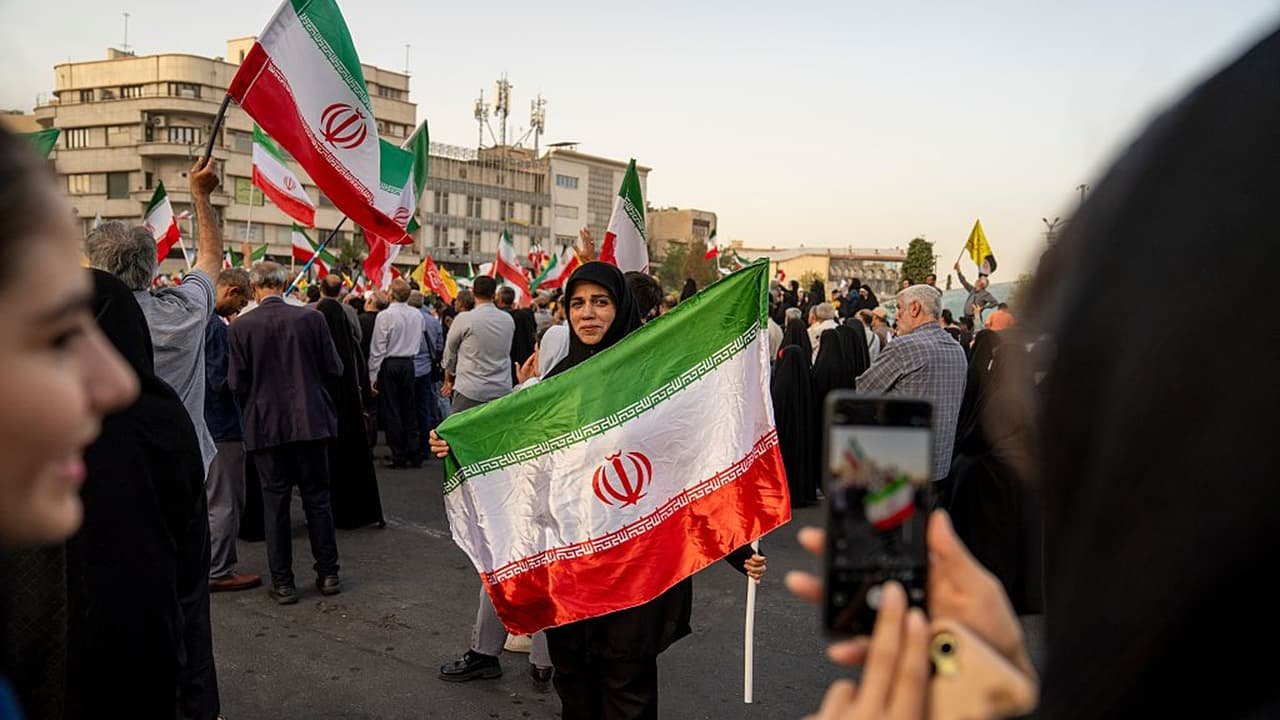
After weeks of relentless protests, Iran’s uprising against clerical rule appeared to slow by late January—not because grievances had eased, but because the state intensified its crackdown. Under Supreme Leader Ali Hosseini Khamenei, security forces escalated lethal force, pushing exhausted demonstrators off the streets and into a grim pause.
That lull has carried implications far beyond Iran’s borders. In Beijing, the message has been closely watched by China’s ruling elite and, in particular, by President Xi Jinping. The pause in Iran’s protests—combined with delayed or uncertain Western backing—has been read by China’s leadership as evidence that harsh domestic repression can proceed with limited international consequences. For Beijing, the lesson appears stark: sustained force may silence unrest without triggering decisive outside intervention.
By late January, reports from opposition-linked sources suggested that civilian deaths in Iran had reached staggering levels, with some estimates exceeding 30,000. Protesters, worn down by months of violence and arrests, increasingly believed that no meaningful relief was coming from abroad. Iran International, an opposition outlet, claimed that more than 36,500 people were killed during a single two-day crackdown in early January—figures that, while disputed, underscored the scale of the bloodshed.
Compounding the despair was a growing belief on Iran’s streets that promised U.S. support would not materialize. Although U.S. President Donald Trump publicly warned Tehran against mass executions of protesters, Washington also acknowledged ongoing contacts with the clerical leadership. To many Iranians, this echoed earlier moments in history when U.S. rhetoric raised expectations but was not followed by decisive action—memories of Hungary in 1956, Czechoslovakia in 1968, and Kurdish uprisings in Iraq in 1991 resurfaced as cautionary tales.
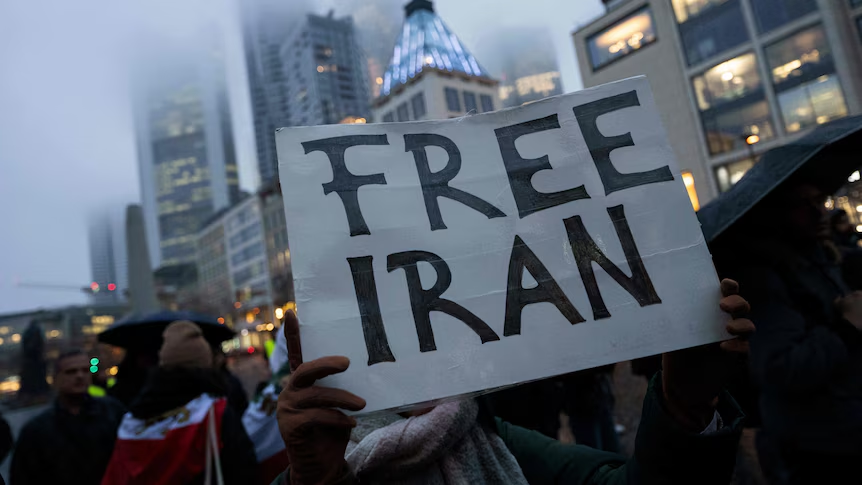
Military signaling did little to restore confidence. The movement of the USS Abraham Lincoln carrier strike group toward the region added pressure on Tehran, yet it failed to translate into tangible protection for civilians. Earlier U.S. airstrikes on Iranian nuclear facilities in 2025 were widely viewed as strategic containment rather than support for popular resistance—more an effort to restrain Israel’s campaign than to enable regime change.
Indeed, Washington’s actions increasingly appeared geared toward limiting escalation and keeping diplomatic channels open. Regional players such as Qatar signaled optimism about a negotiated settlement between Washington and Tehran, suggesting that back-channel talks were already underway. For Iranian civil society, this raised fears that stability—not accountability—was becoming the priority.
Against this backdrop, the central question is whether the temporary “breathing space” in Iran has revived the confidence of its clerical leadership—and whether that outcome has, in turn, emboldened Beijing. If Iran’s rulers can weather mass unrest through force and patience, Xi may calculate that China can do the same, reasserting control during its own sensitive political and economic transition without provoking serious U.S. interference.
In that sense, How Iran’s Uprising May Influence China’s Ongoing Transition is no longer a theoretical debate. For leaders in both Tehran and Beijing, the recent pause has reinforced a shared conclusion: repression, if sustained long enough, may outlast protest—and the world may ultimately look away.