
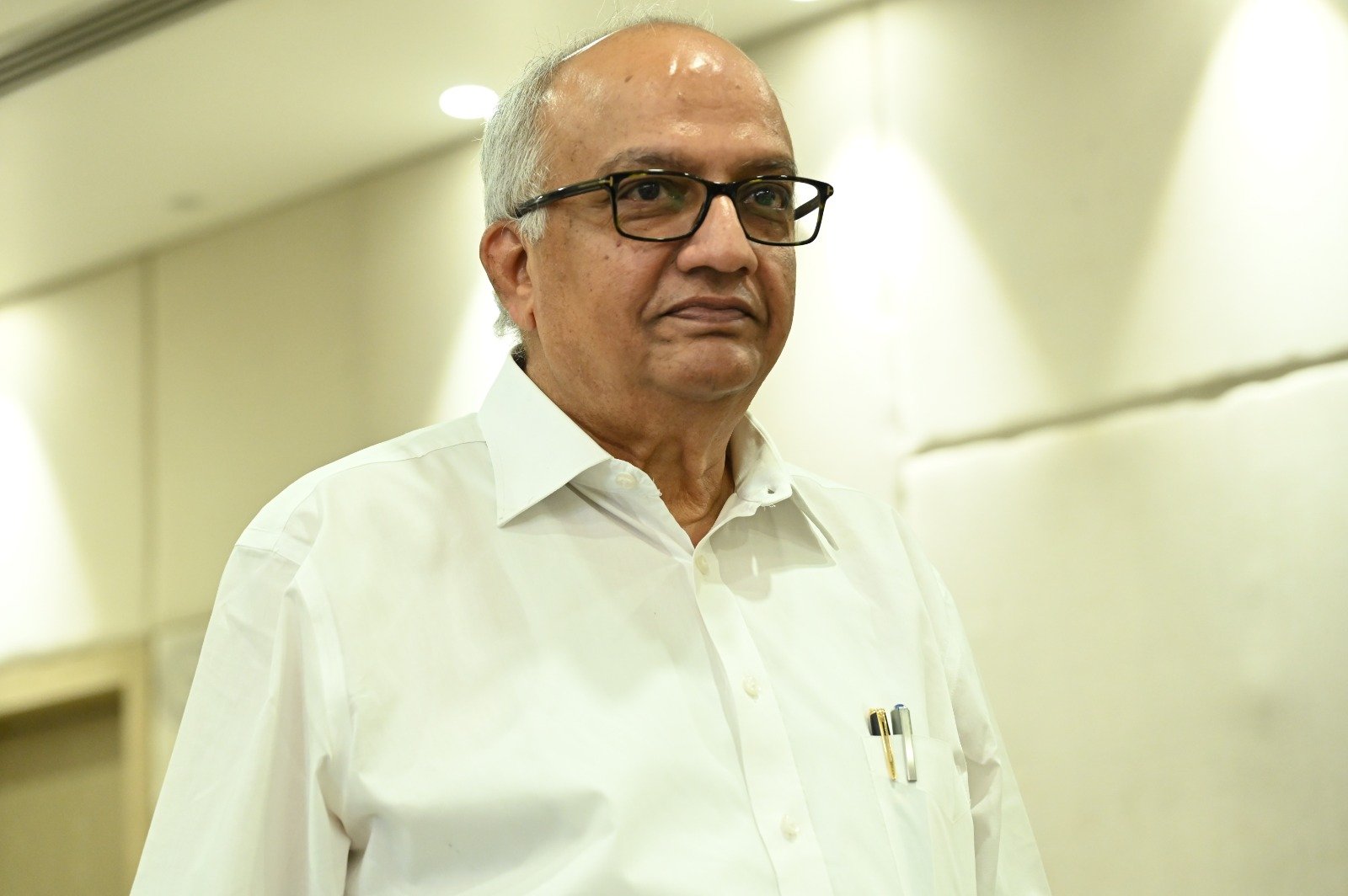
Written by Dr Ramnath Velamati, Executive Vice Chairman, GFST
In the narrative of India’s democratic evolution, Nara Chandrababu Naidu emerges not merely as a political figure but as an architect of aspiration. His journey, from a modest agrarian upbringing to the heights of national prominence, embodies a philosophy where governance is a solemn instrument for social transformation rather than a mere entitlement of office.
Foundations of Empathy and Inclusion
At the core of Naidu’s leadership is a profound connection to his humble origins. Born into agrarian simplicity and growing up amidst the rhythms and hardships of rural life instilled in him a foundational conviction: governance must serve as a ladder for those at the margins. His policies and programs have consistently reflected this foundational empathy. For him, social upliftment is not an abstract slogan; it is a lived imperative that creates pathways of dignity for all. This sensitivity to the realities of ordinary lives has underpinned his pursuit of an inclusive society.
The Discipline of Listening
What distinguishes Naidu is his methodical approach to leadership. He is, by temperament and practice, a careful listener and an assiduous learner. In an era when rhetoric often eclipses reflection, he has demonstrated an uncommon capacity to absorb complexity, to understand issues at their micro level, and to translate granular insights into actionable policies. Bureaucrats, technocrats, entrepreneurs, farmers, and students alike have testified to his patient attention to detail. This habit of listening, combined with relentless study, enables him to interrogate problems in their full dimensions, from fiscal feasibility to social impact. Policies, under his stewardship, are rarely impulsive; they are typically the outcome of methodical consultation and rigorous examination, calibrated to serve the public good.
Empowerment through Education
Naidu’s philosophy posits that true development is not measured solely by infrastructure or industrial output, but by the capacity of citizens to shape their own destinies. Accordingly, he has championed initiatives that expand access to quality education and skill development, especially for those historically excluded from opportunity. For him, classrooms are not mere enclosures of instruction; they are crucibles of confidence. By investing heavily in human capital, particularly for women and youth, he has sought to create a society in which empowerment is not episodic but systemic.
The Entrepreneurial Disposition
Parallel to this is his drive to foster an entrepreneurial mindset, a set of attitudes, skills, and behaviors, including resilience, adaptability, and proactivity, that enable individuals to identify opportunities, innovate, and solve problems in any environment. To Naidu, entrepreneurship is not limited to boardrooms; it is a disposition toward initiative, innovation, and accountability. He encourages citizens to view themselves as active creators of value rather than passive recipients of state benevolence. This cultural shift toward self-reliance and creativity has been one of his most persistent themes, and he firmly believes this shift is indispensable to India’s emergence as a global economic force. By reducing bureaucratic bottlenecks and promoting digital literacy, he has endeavored to embed this spirit of entrepreneurial thinking into the fabric of governance and society.
Innovation and the Metric of Happiness
Innovation is Naidu’s governing principle. Whether leveraging information technology for transparency or reimagining urban development, he possesses the courage to depart from convention. However, his technical acumen is always balanced by a humanistic lens. One of his most remarkable attributes is his capacity to comprehend public policy in its broader human context. He recognizes that governance must not only increase economic indicators but also enhance the lived experience of citizens, their sense of security, dignity, and happiness. This demands a holistic approach: economic growth harmonized with social justice; technological advancement aligned with ethical governance; infrastructure complemented by human development. He possesses the rare ability to synthesize data-driven analysis with a humane sensitivity to public aspiration, aligning policy design with the broader happiness index of society.
A Legacy of Stewardship
In studying Naidu’s journey, we are reminded that leadership, at its finest, is an act of stewardship of holding in trust the aspirations of millions. It demands imagination tempered by realism, ambition anchored in ethics, and authority guided by service. As India advances toward new horizons, the example of leaders who embody these virtues assumes heightened significance.
This book is an exploration of character. It invites the reader to consider the deeper currents of empathy, innovation, and dedication that animate Nara Chandrababu Naidu’s life. It serves as a reminder that leadership, at its finest, is an act of stewardship holding in trust the aspirations of millions to shape a more prosperous and equitable feature.