
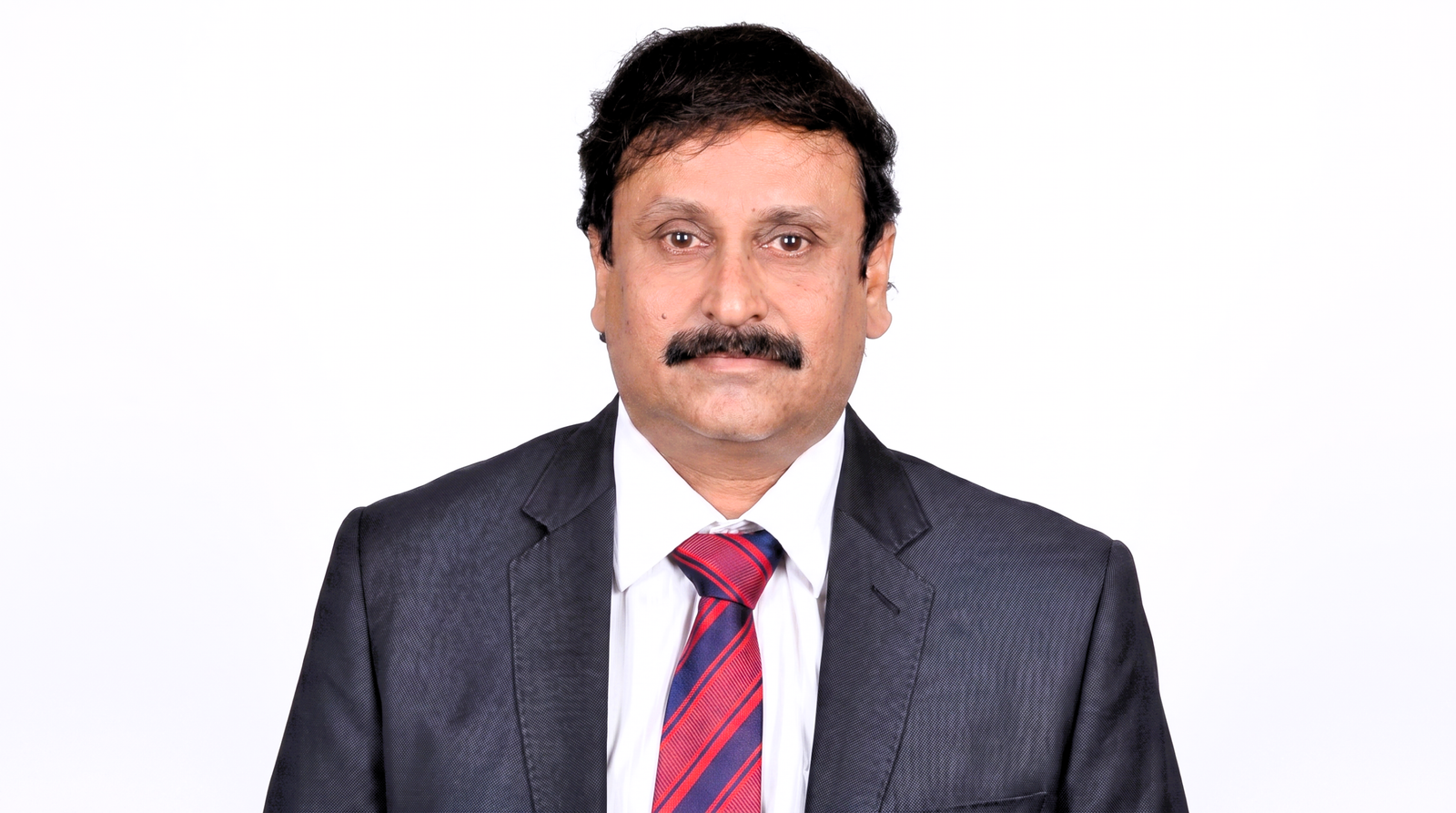
Written by Dr K V Satyanarayana IAS (Rtd)
A figure of singular distinction, Chandrababu Naidu possesses a rare synthesis of pragmatic governance and futuristic imagination. As a leader of deep conviction, he operates with a hyper-dimensional perspective, channeling a tireless devotion to national development into a tangible blueprint for progress.
At a time when the state was riding the peaks of acute political volatility, Chandrababu Naidu applied unrelenting effort and strategic ingenuity to forge a government marked by stability and effectiveness. Having secured political equilibrium, he turned his attention to an economy that was, by then, riddled with structural and intractable economic problems and careening swiftly toward bankruptcy. To restore the economic vitality and direction, with alacrity and sagacity, he unveiled a spree of reforms across disparate domains. These met with great success, despite the typical resistance to change from within his own cadre and administration.
He is a leader who believes in thinking big. He embraces “out-of-the-box” solutions, urges society to shed the colonial mindset, and consistently avoids quick-fix solutions in favor of long-term, structural transformation. His perseverance bore fruit. With steely determination, he surmounted the initial challenges and galvanised the state through a complex bricolage of initiatives, an eclectic yet carefully orchestrated blend of innovations across multiple spheres, executed with remarkable ingenuity and strategic coherence.
Amid the rigmarole of manifold hardships he has faced, he exhibited a rare stoicism, tempering adversity with wisdom and fortifying resolve with courage. Guided by a steadfast sense of justice and governed by measured restraint, he endured profound hardship with composure. He transformed suffering into strength and experience into insight, mastering the art of converting adversity into advantage. Whenever disruptive and serendipitous circumstances arose, he demonstrated an exceptional capacity to recalibrate his strategy and turn the tide in his favor, a capability he has proven on numerous occasions with equanimity and tactical acumen.
In Naidu’s worldview, knowledge is not a private fiefdom but a dynamic, shared frontier. Though he formally pursued economics at the postgraduate level, he swiftly cultivated a deep and abiding engagement with technology, driven by an intense intellectual curiosity. An autodidact in the truest sense, he assumed stewardship of his own learning journey, continuously expanding the breadth of his expertise. Today, drawing upon his substantial technological acumen, he is advancing decisively to harness the transformative potential of data science, the AI revolution, and the emerging frontier of quantum computing and other frontier technologies.
Many leaders are content to speak boldly yet hesitate to assume risk or translate words into action. As observed, most of us profess one set of ideals while living by another; only a rare few demonstrate the integrity to consistently and authentically walk the talk. Chandrababu Naidu belongs unmistakably to that rare category, distinguished by his honesty, sincerity, and unwavering commitment.
In confronting a sybaritic and often unrestrained opposition, he has displayed remarkable fortitude. His epistemic orientation aspires toward a knowledge-driven society, while his eudaemonic philosophy envisions not fleeting gratification but enduring well-being, a sustained condition of flourishing, purpose, and fulfillment achieved through virtuous action, reason, and self-realization.
At heart, he is a humanist, committed to the socioeconomic upliftment of the marginalized, embedding empathy into every public policy. Yet he also reflects a transhumanist impulse, introducing reforms ahead of their time and seeking to elevate human potential beyond conventional limits. Simultaneously, his posthumanist sensibility acknowledges the profound interconnectedness between humanity and technology, emphasizing a harmonious human–technology interface as the foundation of progress.
Any candid appraisal of his character resists easy labels. Is he a multifaceted visionary, a polymath, or a “361-degree” leader? The truth transcends such descriptors and sobriquets. To define him in singular terms is therefore reductive. He is, rather, a composite of these expansive attributes, a living mosaic of vision, intellect, empathy, and innovation, driven by a larger purpose to secure prosperity and enduring well-being for the state and the nation.
Chandrababu Naidu thus heralds a new epoch in the annals of Andhra Pradesh and, by extension, in the evolving narrative of India. His leadership represents not merely a change in administration but a structural inflection point, an infusion of governance with strategic foresight, technological imagination, institutional reinvention, and a reorientation of mindset: toward knowledge-driven growth, entrepreneurial dynamism, and governance calibrated to the demands of the future.